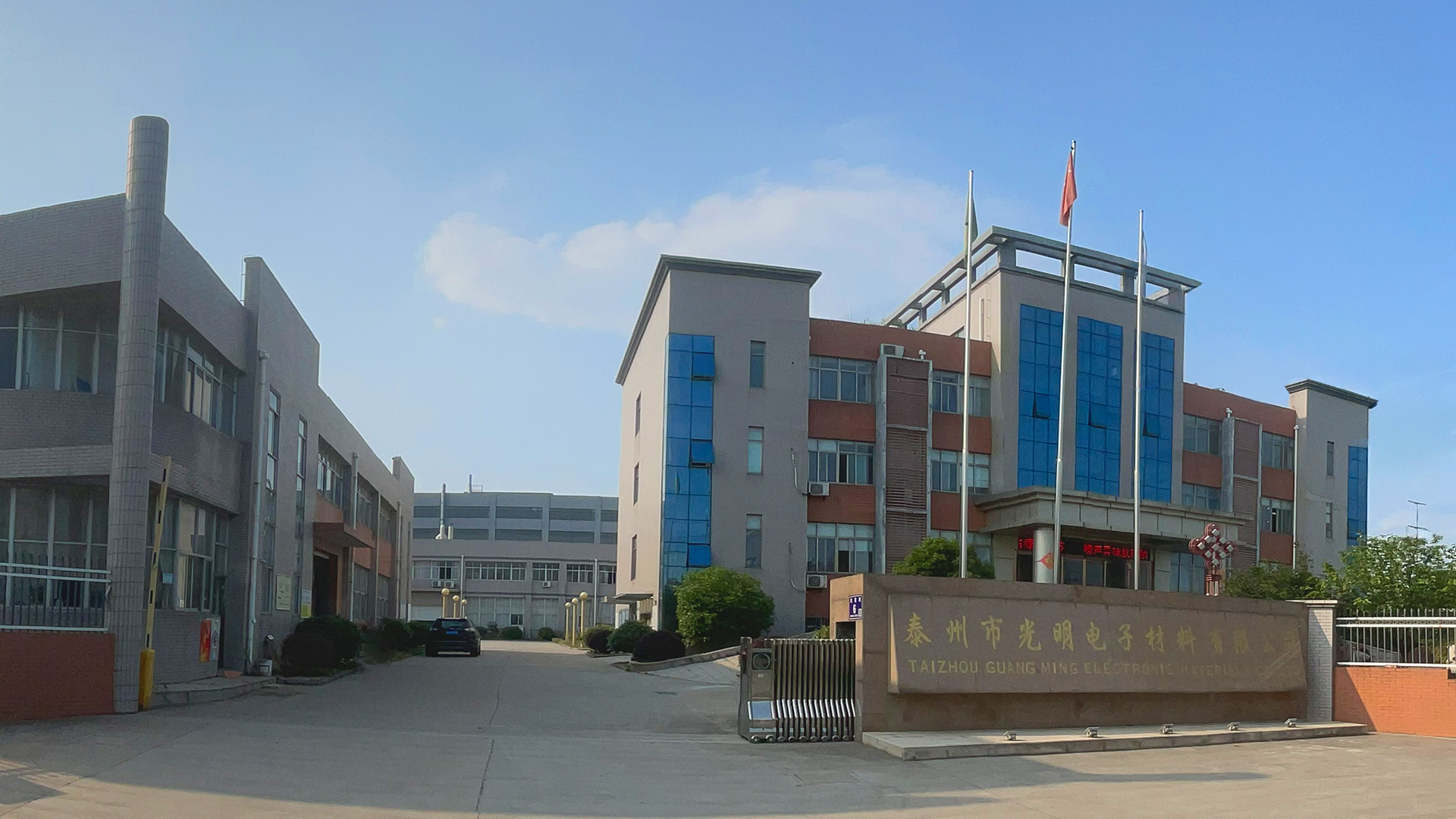
Corporate Culture

Business Philosophy
We uphold honesty and integrity, conduct our business in accordance with the law, and adhere to the business philosophy that ‘integrity opens doors everywhere, and our products reflect our character’.

Significant advantages
We have gradually established a strong competitive edge in quality, boasting a dynamic and technically skilled team, as well as robust construction capabilities and substantial technical expertise.

Basic Principles
Satisfaction with product quality and advanced technology. We uphold the corporate ethos of ‘unity and pragmatism, a commitment to reality and innovation, a pioneering and enterprising spirit, and keeping pace with the times’.
Business Philosophy
We uphold honesty and integrity, conduct our business in accordance with the law, and adhere to the business philosophy that ‘integrity opens doors everywhere, and our products reflect our character’.

Significant advantages
We have gradually established a strong competitive edge in quality, boasting a dynamic and technically skilled team, as well as robust construction capabilities and substantial technical expertise.
Basic Principles
Satisfaction with product quality and advanced technology. We uphold the corporate ethos of ‘unity and pragmatism, a commitment to reality and innovation, a pioneering and enterprising spirit, and keeping pace with the times’.
News
Keep up to date with our latest news
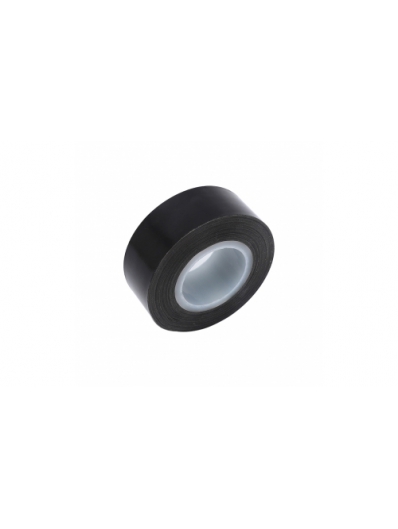
What is Teflon made of?
Teflon refers to polytetrafluoroethylene, commonly known as the ‘King of Plastics’, a high-molecular-weight polymer produced by the polymerisation of tetrafluoroethylene monomers. It is a white, waxy, semi-transparent material with excellent heat and cold resistance, capable of long-term use at temperatures ranging from -180°C to 260°C. This material is resistant to acids, alkalis and various organic solvents, and is virtually insoluble in all solvents. Furthermore, polytetrafluoroethylene is highly heat-resistant and has an extremely low coefficient of friction; consequently, in addition to its lubricating properties, it serves as an ideal coating for the inner lining of easy-to-clean water pipes. Teflon refers to polytetrafluoroethylene, commonly known as the ‘King of Plastics’, which is a high-molecular-weight polymer produced by the polymerisation of tetrafluoroethylene as a monomer.
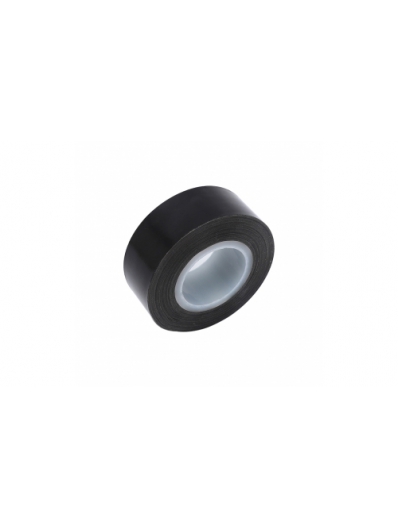
What is Teflon? How does it differ from PTFE, PFA, FEP and ETFE?
Teflon products are also known as polytetrafluoroethylene (PTFE) products. As is well known, Teflon products are referred to by various names, including ‘PTFE products’, ‘Teflon products’, ‘PTFE products’, ‘tetrafluoroethylene products’, ‘Teflon products’ and ‘the king of plastics’, amongst others. Many people are unaware that polytetrafluoroethylene is Teflon, and struggle to distinguish between Teflon and PTFE, PFA, FEP, and ETFE. So today, let’s take a look at what Teflon is, and what the differences are between PTFE, PFA, FEP, and ETFE. Polytetrafluoroethylene, also known as Teflon, Teflon, Teflon, Teflon, Teflon
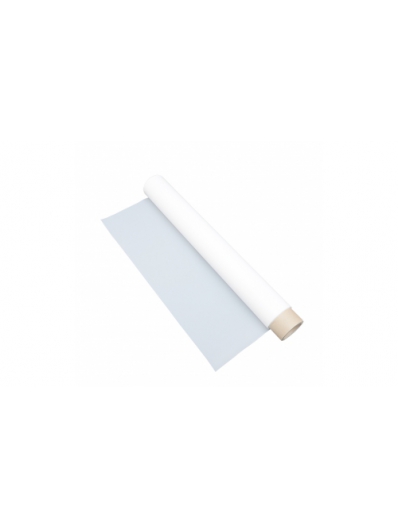
What are the advantages of UPE film compared to PTFE film
UPE film is manufactured from high-quality raw materials, with a molecular weight as low as 4.5 million, meeting ASTM requirements. Thanks to its superior abrasion resistance, impact resistance and self-lubricating properties, UPE film has become a widely used industrial raw material. It is extensively employed in a variety of applications and products, including coal mining, shipbuilding, transport, footpads, adhesive pads, insulating materials, wear-resistant gaskets, furniture glides, slide rails, wear-resistant panels and food processing worktops. From a cost perspective, ultra-high molecular weight polyethylene (UPE) film has a lower density; on a per-square-metre basis, UPE is 50% cheaper than polytetrafluoroethylene (PTFE).
What is Teflon made of?
Teflon refers to polytetrafluoroethylene, commonly known as the ‘King of Plastics’, a high-molecular-weight polymer produced by the polymerisation of tetrafluoroethylene monomers. It is a white, waxy, semi-transparent material with excellent heat and cold resistance, capable of long-term use at temperatures ranging from -180°C to 260°C. This material is resistant to acids, alkalis and various organic solvents, and is virtually insoluble in all solvents. Furthermore, polytetrafluoroethylene is highly heat-resistant and has an extremely low coefficient of friction; consequently, in addition to its lubricating properties, it serves as an ideal coating for the inner lining of easy-to-clean water pipes. Teflon refers to polytetrafluoroethylene, commonly known as the ‘King of Plastics’, which is a high-molecular-weight polymer produced by the polymerisation of tetrafluoroethylene as a monomer.
What is Teflon? How does it differ from PTFE, PFA, FEP and ETFE?
Teflon products are also known as polytetrafluoroethylene (PTFE) products. As is well known, Teflon products are referred to by various names, including ‘PTFE products’, ‘Teflon products’, ‘PTFE products’, ‘tetrafluoroethylene products’, ‘Teflon products’ and ‘the king of plastics’, amongst others. Many people are unaware that polytetrafluoroethylene is Teflon, and struggle to distinguish between Teflon and PTFE, PFA, FEP, and ETFE. So today, let’s take a look at what Teflon is, and what the differences are between PTFE, PFA, FEP, and ETFE. Polytetrafluoroethylene, also known as Teflon, Teflon, Teflon, Teflon, Teflon
What are the advantages of UPE film compared to PTFE film
UPE film is manufactured from high-quality raw materials, with a molecular weight as low as 4.5 million, meeting ASTM requirements. Thanks to its superior abrasion resistance, impact resistance and self-lubricating properties, UPE film has become a widely used industrial raw material. It is extensively employed in a variety of applications and products, including coal mining, shipbuilding, transport, footpads, adhesive pads, insulating materials, wear-resistant gaskets, furniture glides, slide rails, wear-resistant panels and food processing worktops. From a cost perspective, ultra-high molecular weight polyethylene (UPE) film has a lower density; on a per-square-metre basis, UPE is 50% cheaper than polytetrafluoroethylene (PTFE).
Taizhou Guangming Electronic Materials Co., Ltd.

Dedicated line
Follow us
Copyright © 2026 Taizhou Guangming Electronic Materials Co., Ltd. 苏ICP备2023006166号-1  苏公网安备32120302000464号 Powered by :MUZINFO