
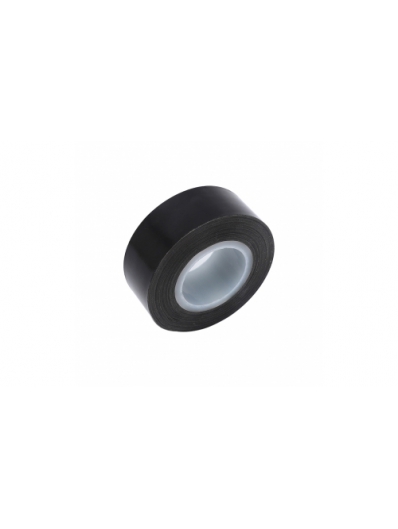
Teflon refers to polytetrafluoroethylene, commonly known as the ‘King of Plastics’, a high-molecular-weight polymer produced by the polymerisation of tetrafluoroethylene monomers. It is a white, waxy, semi-transparent material with excellent heat and cold resistance, capable of long-term use at temperatures ranging from -180°C to 260°C. This material is resistant to acids, alkalis and various organic solvents, and is virtually insoluble in all solvents. Furthermore, polytetrafluoroethylene is highly heat-resistant and has an extremely low coefficient of friction; consequently, in addition to its lubricating properties, it serves as an ideal coating for the inner lining of easy-to-clean water pipes. Teflon refers to polytetrafluoroethylene, commonly known as the ‘King of Plastics’, which is a high-molecular-weight polymer produced by the polymerisation of tetrafluoroethylene as a monomer.
Teflon products are also known as polytetrafluoroethylene (PTFE) products. As is well known, Teflon products are referred to by various names, including ‘PTFE products’, ‘Teflon products’, ‘PTFE products’, ‘tetrafluoroethylene products’, ‘Teflon products’ and ‘the king of plastics’, amongst others. Many people are unaware that polytetrafluoroethylene is Teflon, and struggle to distinguish between Teflon and PTFE, PFA, FEP, and ETFE. So today, let’s take a look at what Teflon is, and what the differences are between PTFE, PFA, FEP, and ETFE. Polytetrafluoroethylene, also known as Teflon, Teflon, Teflon, Teflon, Teflon
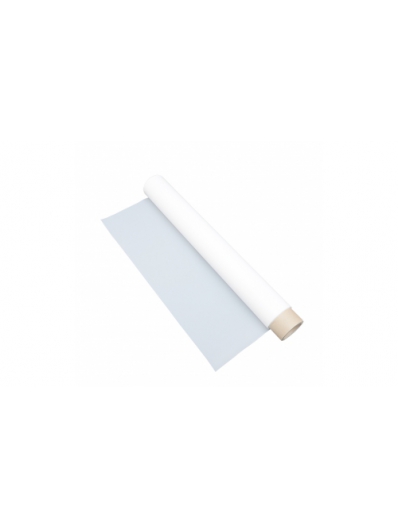
UPE film is manufactured from high-quality raw materials, with a molecular weight as low as 4.5 million, meeting ASTM requirements. Thanks to its superior abrasion resistance, impact resistance and self-lubricating properties, UPE film has become a widely used industrial raw material. It is extensively employed in a variety of applications and products, including coal mining, shipbuilding, transport, footpads, adhesive pads, insulating materials, wear-resistant gaskets, furniture glides, slide rails, wear-resistant panels and food processing worktops. From a cost perspective, ultra-high molecular weight polyethylene (UPE) film has a lower density; on a per-square-metre basis, UPE is 50% cheaper than polytetrafluoroethylene (PTFE).
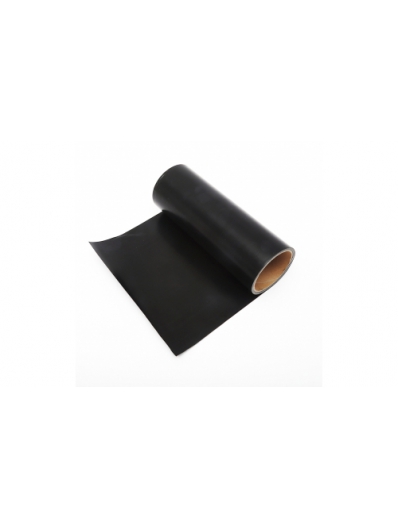
China’s fluorochemical industry chain has largely taken shape, producing fluorinated products such as Teflon film, polytetrafluoroethylene (PTFE) and fluororubber; however, it remains insufficient. The fluorochemical industry is a new sector of the chemical materials industry, also known as the ‘golden industry’. Fluorochemical products are widely used in aviation, defence, chemical engineering and mechanical engineering sectors. Fluorochemical products possess excellent properties such as chemical resistance, resistance to high and low temperatures, ageing resistance, low friction and electrical insulation, and have become a strategic emerging industry driving the rapid development of the chemical sector. Fluorocoatings based on polytetrafluoroethylene (PTFE) are high-performance specialty coatings derived from Teflon film; PTFE offers outstanding flexibility, water resistance, abrasion resistance, corrosion resistance and low-temperature flexibility. PTFE sheet composites
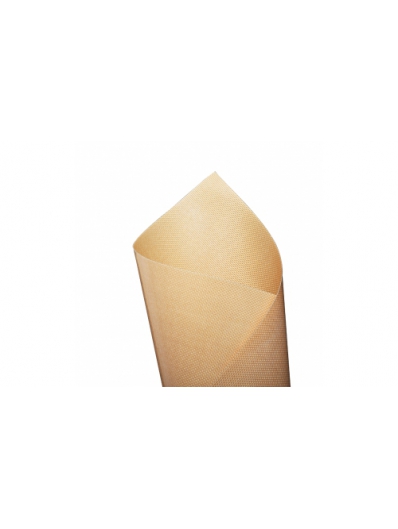
PTFE membrane temperature range: -190 to +600°C (up to 1000°C in an oxygen-free environment at low pressure). Polytetrafluoroethylene (PTFE) exhibits excellent low-temperature resistance, with a yield strength significantly higher than at room temperature. Consequently, PTFE wound gaskets can be used with low-temperature media such as liquid hydrocarbons. Furthermore, due to the addition of metal strips, the operating temperature of PTFE membranes can reach 250°C, and in acidic media, they can withstand pressures of up to 9 MPa at 200°C. PTFE membranes are suitable for heat exchangers, reactors, pipelines, valves, and pump inlet and outlet flanges where pressure and temperature fluctuations are significant. For medium-pressure applications where temperatures exceed 300°C, the use of inner rings, outer rings, or both should be considered. In
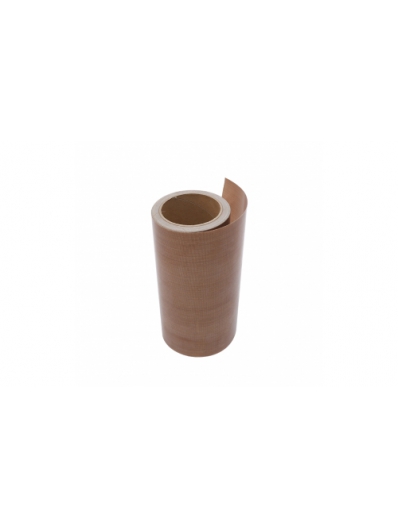
UPE film is characterised by its non-polar nature; consequently, this film—which features low dielectric loss and high dielectric strength—possesses excellent electrical properties. UPE film can be used as a frequency-modulation insulation material, a corona-resistant plastic and a high-voltage insulation material. UPE film possesses excellent wear resistance and abrasion resistance. It also exhibits good low-temperature impact resistance, self-lubricating properties, non-toxicity, water resistance and chemical resistance. UPE film is well worth purchasing. It offers a wide range of applications and is affordable, with a low price point. It is a thermoplastic engineering plastic product with exceptional performance, combining virtually all the advantages of plastics. It also outperforms ordinary polyethylene sheets and other engineering plastics.

Follow us
Copyright © 2026 Taizhou Guangming Electronic Materials Co., Ltd. 苏ICP备2023006166号-1  苏公网安备32120302000464号 Powered by :MUZINFO